On this page
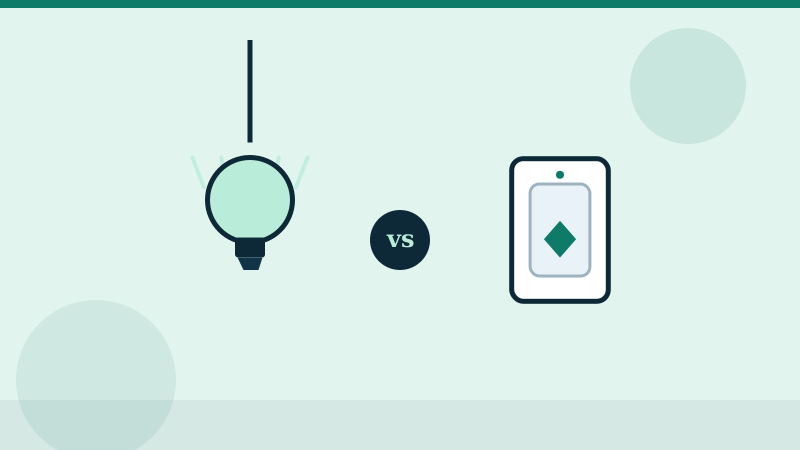
Smart bulbs and smart switches solve the same problem — controlling a light without
touching a wall — from opposite ends. A bulb replaces the light source. A switch
replaces the control point. Which one fits depends less on features and more on how
the room is wired and how people actually use it.
What a smart bulb gives you
- Per-bulb control: dim, warm or color-shift a single lamp, independent of the
fixture it sits in - No electrical work: screw it in, pair it, done — the friendliest option for
renters - Scenes and schedules per lamp: a reading corner can stay warm and dim while the
ceiling light runs bright
What a smart switch gives you
- Whole-circuit control: one switch drives every fixture on that circuit,
including dumb bulbs and fittings you cannot reach - Everyone can use it: guests, kids and houseguests press a real switch — no app
required - No "switch left off" problem: a smart bulb behind a dumb switch that someone
toggled off is dead until the switch comes back; a smart switch removes that
failure mode
The decision checklist
- Count the fixtures on the circuit. One fitting → a bulb is cheaper. Three or
more → a switch usually wins on price per point of control. - Check the wiring. Most smart switches need a neutral wire in the wall box.
Older homes may not have one — look for "no-neutral required" models, which are
bulkier and cost more. - Ask who else uses the room. Shared spaces favor switches; personal corners
favor bulbs. - Decide if you need color. If you only want dimming and warm/cool white,
switches plus ordinary LED bulbs cost less over time. - Mind the bulb count in enclosed fixtures. Bulbs inside sealed fittings run
hotter and age faster than their rating suggests.
The bottom line
Start with bulbs for lamps and single-fitting rooms, switches for ceiling circuits in
shared rooms, and a mix once a floor plan gets complicated. Before buying either,
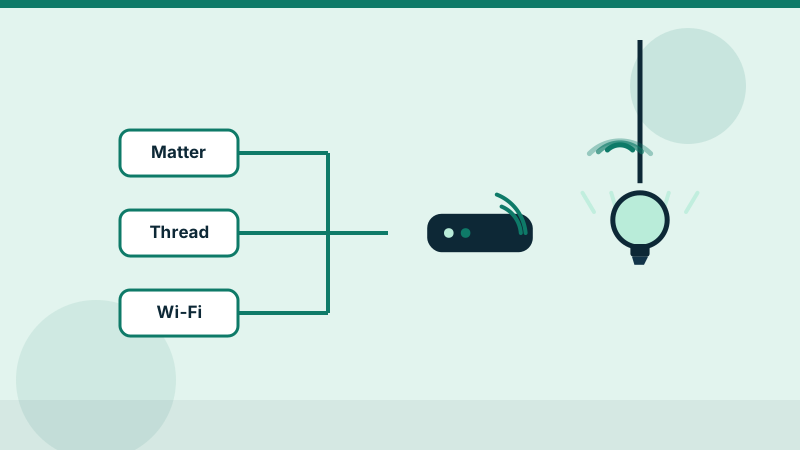
confirm which ecosystem your other devices use — that decision is covered in our
hubs and compatibility guides.
Editorial note. This guide is compiled from official product documentation and practical buying checklists, not hands-on testing. Verify specifications and current pricing with the manufacturer before you buy. See our affiliate disclosure for how we fund this work.