A leak sensor is one of the few smart-home purchases that can pay for itself in a
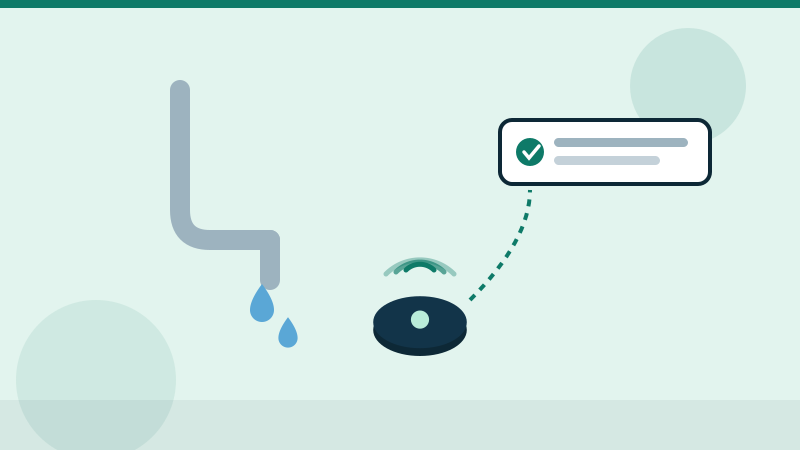
single afternoon — but only if the whole chain works: detect → alert → respond.
Most buyers only check the first link.
The chain that matters
- Detect. The sensor part is commoditized: two contacts that close when wet.
Quality differences show up in edge cases — condensation, slow drips, sensors
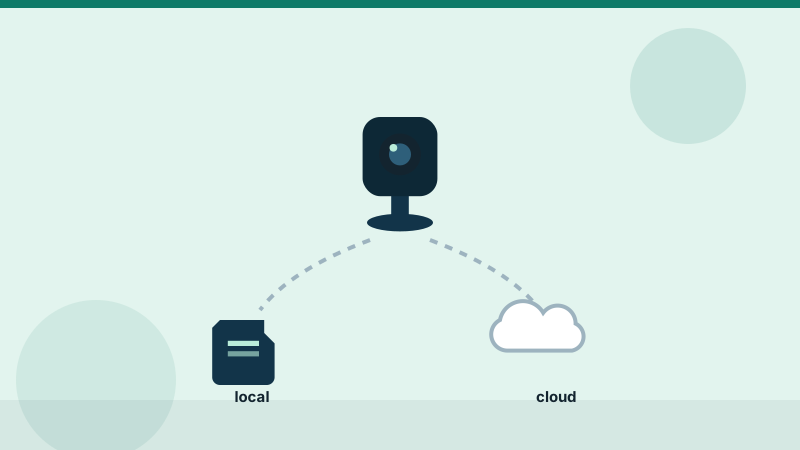
mounted on uneven floors. - Alert. A notification that needs the vendor's cloud server is one outage away
from silence. Prefer sensors that alert through your local hub and the cloud. - Respond. The best systems close a motorized water valve automatically. That
valve is the expensive part; decide early whether you want detection only, or
detection plus shutoff.
Checks before buying
- Probe shape for the spot. Flat contacts suit under-sink floors; a rope probe
wraps water heaters and follows baseboards; dishwasher and washing-machine spots
usually want the rope. - Battery life claim vs. mechanism. Multi-year claims are realistic for simple
contact sensors; anything with Wi-Fi onboard drinks batteries. Check what happens
when the battery dies — a last-gasp "low battery" alert is not optional, it is the
product. - Alert latency. A slow drip discovered after your two-week holiday has the same
cost as a burst pipe. Confirm the sensor pushes alerts within seconds, not minutes,
and test it with a wet finger on day one. - Volume of the local siren. Some sensors include a loud local alarm. Irrelevant
when you are home and relevant the moment you are not — a neighbor who hears it can
act. - Integration. If you already run a hub, prefer sensors on its native radio
(Zigbee/Z-Wave/Thread) over another Wi-Fi app. See our
protocol guide for why fewer radios is
generally better. - Multiple sensors, one app. You will want one at the water heater, one under
each sink, one behind the washing machine, one by the dishwasher. Confirm the
platform handles a dozen sensors without turning into notification spam — per-sensor
naming and per-room routing matter.
Placement cheat sheet
Highest-damage spots, in order: water heater pan, washing machine hose, dishwasher,
under-sink cabinets, refrigerator ice-maker line, toilet supply line. Start with the
first two if you only buy two.
Editorial note. This guide is compiled from official product documentation and practical buying checklists, not hands-on testing. Verify specifications and current pricing with the manufacturer before you buy. See our affiliate disclosure for how we fund this work.